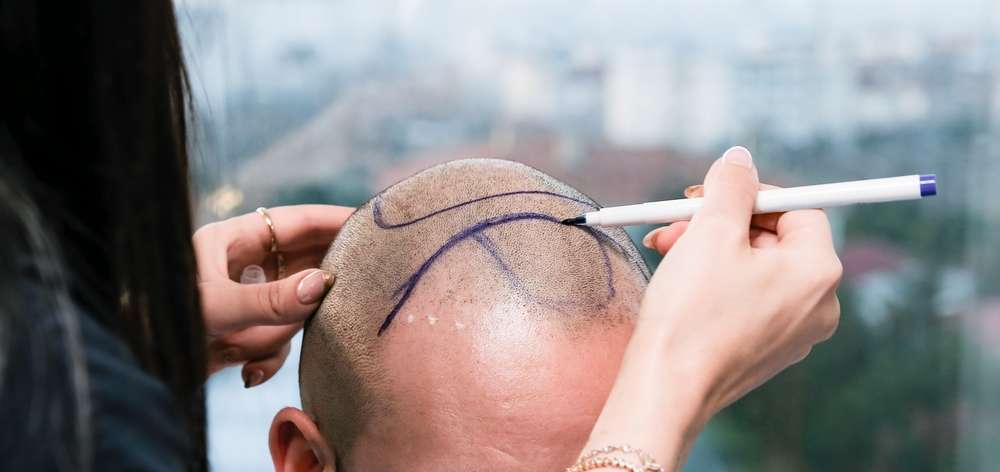
A successful hair transplant depends on many factors, but one of the most important is donor hair. This is the foundation of the entire procedure. Without strong donor hair, even the most advanced techniques cannot deliver natural or long-lasting results.
Many people researching hair loss solutions in the UK focus mainly on the visible thinning areas. However, experienced surgeons know that the real work begins at the donor zone.
If you are exploring hair transplant London options, understanding how donor hair is selected can help you set realistic expectations and make better decisions about treatment.
What Is Donor Hair and Why It Matters
Donor hair refers to the healthy hair follicles taken from the back or sides of the scalp. These areas are usually more resistant to genetic hair loss.
This is why they are used to restore thinning or bald areas on the top or front of the head.
A strong donor area allows surgeons to create natural density and long-lasting coverage.
Experienced hair transplant London specialists carefully evaluate this region before recommending treatment. It is the foundation of every successful transplant.
Without good donor hair, results may appear thin or uneven over time.
How Surgeons Assess Donor Hair Quality
The first step in planning a transplant is a detailed scalp assessment.
Surgeons examine density, texture, thickness, and overall stability of the donor area. They also check how closely the follicles are spaced.
Strong donor hair usually grows in dense clusters and provides better coverage when transplanted.
Many hair transplant London clinics use magnified analysis tools to study follicle health in detail. This helps them understand how many grafts can safely be extracted.
Careful planning ensures that donor areas are not over-harvested during surgery.
Why Donor Stability Is So Important
Donor stability refers to how resistant the hair is to future loss.
Even if hair looks healthy today, it must remain stable for long-term success.
Experienced hair transplant London specialists look at family history and current hair loss patterns to estimate future stability.
Hair from unstable donor areas may thin over time, reducing the effectiveness of the transplant.
This is why proper evaluation is always necessary before surgery begins.
The Safe Donor Zone Explained
Not all hair on the scalp is suitable for transplantation.
The safest donor area is usually located at the back and lower sides of the head. This region is often called the “safe zone.”
Hair in this area is genetically more resistant to thinning.
Skilled hair transplant London surgeons carefully map this zone before extracting grafts.
Staying within the safe donor zone helps preserve natural appearance and ensures long-term results.
This step also protects the donor area from becoming visibly thin after extraction.
Hair Thickness and Texture Matter
Donor hair is not just about quantity. Quality matters just as much.
Thicker hair strands provide better visual coverage compared to fine hair.
Wavy or slightly coarse hair often creates more density after transplantation.
Many hair transplant London specialists consider hair texture when planning graft distribution.
Even small differences in thickness can affect how full the final result appears.
This is why personalised planning is essential for natural outcomes.
How Much Donor Hair Is Needed
The amount of donor hair required depends on the level of hair loss.
Mild thinning may need fewer grafts, while advanced balding requires a larger number.
However, donor supply is always limited. It cannot be expanded beyond what naturally exists.
Experienced hair transplant London clinics carefully balance donor extraction with long-term planning.
Using too many grafts in one session can weaken the donor area permanently.
That is why staged procedures are sometimes recommended for extensive hair loss.
Why Overharvesting Is a Risk
Overharvesting occurs when too many grafts are taken from the donor area.
This can create visible thinning or patchy appearance at the back of the scalp.
A responsible hair transplant London surgeon avoids this by carefully calculating extraction limits.
Maintaining donor area appearance is just as important as restoring the top of the scalp.
Once donor hair is removed, it cannot be replaced. This makes careful planning essential.
Donor Hair in Different Hair Types
Different hair types can affect transplant planning.
Straight, wavy, curly, or coarse hair all behave differently when transplanted.
Curly or wavy hair often provides better coverage because it creates more volume.
Straight hair may require slightly higher graft numbers to achieve similar density.
Experienced hair transplant London specialists adjust their technique based on hair type.
This personalised approach helps ensure more natural and balanced results.
Importance of Long-Term Planning
Donor hair must be managed with future hair loss in mind.
Many patients continue losing hair even after surgery.
If donor hair is used too aggressively at the beginning, there may not be enough left for future needs.
Leading hair transplant London clinics always plan for long-term appearance, not just immediate improvement.
This strategy helps maintain balance as the patient ages.
Good planning often leads to more natural results over time.
Why Consultation Is So Important
A proper consultation is the only way to understand donor hair suitability.
During this stage, the surgeon examines scalp condition, density, and future hair loss patterns.
Trusted hair transplant London clinics use this information to design a personalised treatment plan.
They also explain how many grafts can be safely used and what results are realistic.
This is where honesty matters most.
Many positive hair transplant London reviews highlight clear and detailed consultations as a key part of their experience.
What Happens During Donor Extraction
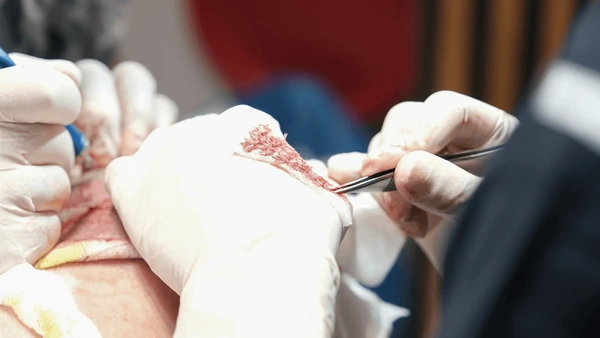
During the procedure, individual follicles are carefully removed from the donor area.
Modern techniques aim to minimise scarring and maintain natural appearance.
Experienced hair transplant London surgeons use precise methods to extract grafts without damaging surrounding hair.
The goal is to keep the donor area looking full even after extraction.
Proper technique ensures that no obvious thinning is left behind.
Healing of the Donor Area
The donor area usually heals quickly after surgery.
Small scabs may form and fall away naturally within days or weeks.
Most patients notice minimal visible changes once healing is complete.
Leading hair transplant London clinics provide clear aftercare instructions to support smooth recovery.
Proper care helps reduce irritation and supports healthy regrowth around the area.
Reading Reviews Helps You Understand Real Results
Before choosing a clinic, it is important to research patient experiences.
Verified hair transplant London reviews often mention donor area appearance after surgery.
Look for feedback about both the transplant results and the condition of the donor region.
Balanced reviews provide more reliable insight than marketing images alone.
Patients often share long-term experiences that reveal how donor areas look months or years after treatment.
Final Thoughts
Finding the right donor hair is one of the most important parts of a successful transplant. It determines not only how natural the results look but also how long they last.
If you are considering hair transplant London treatment, focus on donor quality, surgeon experience, and long-term planning before making a decision.
Reading genuine hair transplant London reviews can help you understand real outcomes and choose a clinic known for careful donor management.
When handled correctly, donor hair can create natural, lasting results that restore confidence and improve appearance in a balanced and realistic way.