Starting any new hair restoration treatment requires immense patience and a clear understanding of human biology. Hair follicles do not change overnight. They operate on a slow, predictable biological clock that dictates when hair grows, rests, and sheds. When men across the United Kingdom begin treating a receding hairline, they often expect rapid visual improvements in the mirror. Unfortunately, cellular repair takes several months of dedicated application before any new growth breaks the skin surface. Looking at a genuine minoxidil before and after gallery helps set realistic expectations for your own journey. Recognizing that results develop gradually prevents you from abandoning a winning routine too early out of frustration.
Why Immediate Miracles Do Not Exist in Dermatology
Marketing claims can sometimes trick buyers into expecting instant thickness within a matter of days. Real medical science tells a different story. Whether you choose a systemic tablet or a topical formula, the active ingredients need time to improve scalp blood flow. This enhanced circulation gradually wakes up dormant follicles that have shrunk due to genetic hair thinning. Understanding this biological delay keeps your mindset grounded and protects you from disappointment during the early weeks.
Navigating the Critical First Two Months
The initial weeks of any hair loss regimen can test the mental resolve of even confident men. Many patients experience a temporary minoxidil shedding phase during the first four to eight weeks of starting treatment. Finding extra hairs in the shower drain often causes sudden panic and makes people think the treatment is failing. In reality, pushing out weak, resting hairs is a vital clinical sign that the cellular renewal process has begun. GMC-registered practitioners across the UK always warn patients about this normal shedding period during initial consultations. Staying calm during this transitional phase ensures you keep moving forward toward thicker hair density.
Embracing the Temporary Shedding Phase as Progress
Shedding is simply your scalp clearing out old, miniaturized hairs to make room for robust new strands. Think of it as hitting a hard reset button on your hairline’s growth cycle. Once this brief shedding window closes, the follicles enter a prolonged phase of active production. Trusting the clinical science behind your regimen prevents unnecessary anxiety when extra hair falls out.
Months Three and Four: The First Signs of Change
Around the third or fourth month of consistent use, subtle changes begin to appear in the mirror. You might notice that daily hair fall has slowed down significantly compared to when you first started. Fine, wispy baby hairs known as vellus hairs often start popping up along the receding temples. These soft strands might not look like much at first glance, but they represent a major physiological victory. Documenting your scalp with monthly photos under identical lighting helps you track these incremental victories accurately. Seeing tangible proof of progress keeps your motivation high as you transition into the heavier growth phase.
Maintaining Strict Daily Discipline
Consistency dictates whether your hair restoration project succeeds or quietly falls apart. Skipping doses interrupts the steady supply of nutrients and blood flow required by recovering follicles. Whether you rely on an oral minoxidil UK prescription or traditional topicals, daily adherence is non-negotiable. Treat your hair routine like brushing your teeth so it becomes an automatic part of your lifestyle.
Months Six to Twelve: Peak Density and Visible Transformation
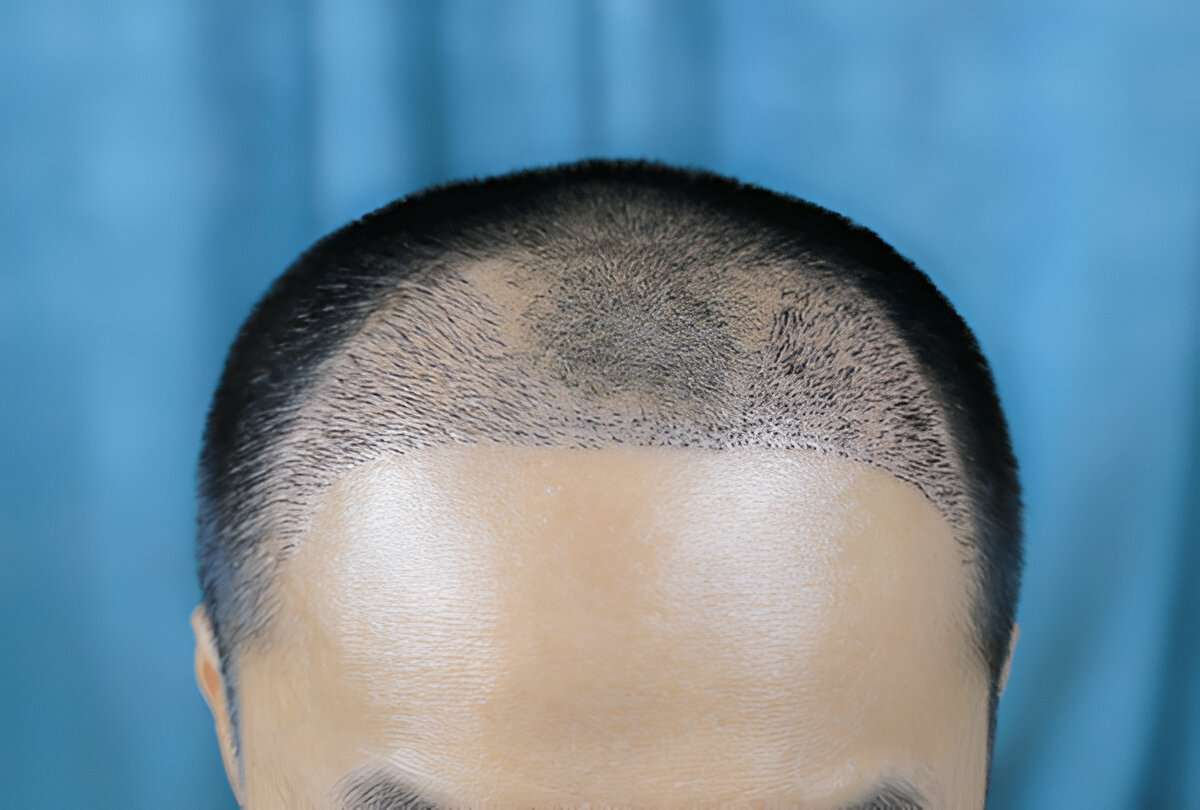
By the six-month mark, the changes in your hairline become much more apparent to friends, family, and coworkers. Fine vellus hairs mature into darker, thicker terminal shafts that provide much better scalp coverage. Most clinical studies show that results peak around twelve months of uninterrupted, daily use. Reviewing a successful minoxidil before and after timeline at this stage reveals a visibly stronger frame around the face. Your styling options open up, allowing you to wear your hair shorter or styled forward without anxiety.
Choosing Between Pills and Topical Solutions
Selecting the right format depends entirely on your daily preferences and medical guidance from a qualified specialist. Many British men still prefer traditional minoxidil 5% UK liquid or foam applied directly to the scalp. Others prefer the unmatched convenience of swallowing a tiny oral minoxidil UK tablet with breakfast every morning. Both approaches deliver impressive results when backed by professional supervision and long-term consistency.
Securing Long-Term Results Beyond the First Year
Hair loss is a progressive, lifelong genetic condition that never truly takes a permanent holiday. Reaching your twelve-month milestone does not mean you can safely throw away your medication bottles. Stopping treatment causes revived follicles to shrink back to their original thinning state within a few months. Think of your daily routine as ongoing maintenance rather than a temporary fix. Schedule regular check-ins with a qualified practitioner to monitor your scalp health and optimize your long-term strategy. Taking a proactive, informed approach guarantees that your hard-earned hairline remains strong, dense, and youthful for decades to come.